Baithak
What You Really Pay for When You Choose Handloom

Long before there were brands, marketplaces, or price tags, there were hands — weathered, gentle, determined hands — weaving India’s identity into fabric.
Before the world became fast, life in our craft clusters moved to the rhythm of the loom: steady, patient, and deeply human.
Even today, in corners of West Bengal, Kanchipuram, Odisha, Assam, and Kutch, you will still hear that same rhythm — thak-thak… thak-thak — carrying centuries of memory.
But behind this comforting sound lies a truth that few consumers have ever witnessed: Handloom is not expensive. It is undervalued. And artisans have been paying the difference with their lives, their time, and their dignity.
This is their story — and the true story of what you really pay for when you choose handloom.
A MORNING IN THE LIFE OF A WEAVER
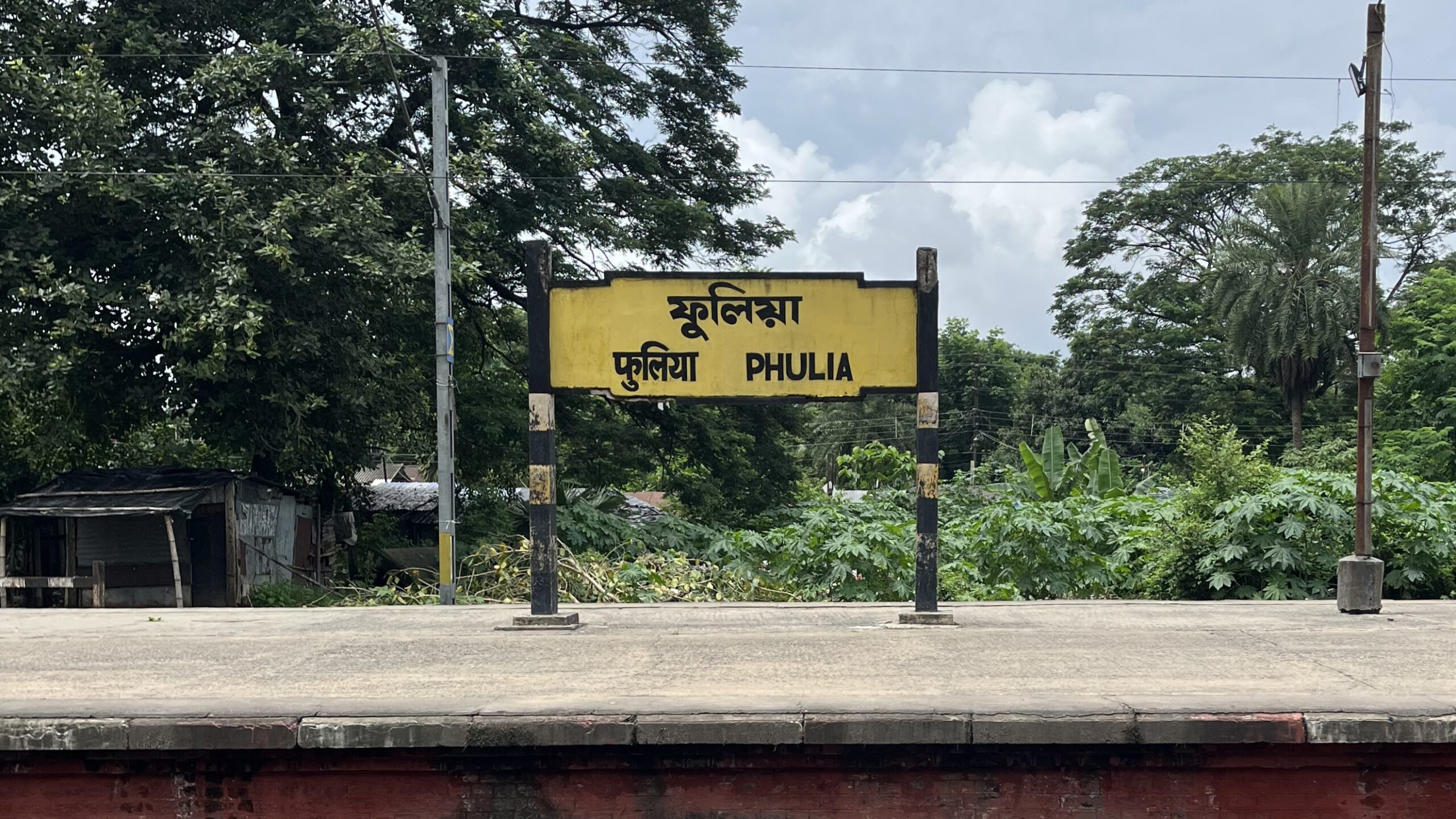
It is 4:30 AM in Phulia. A faint blue light settles over the village as 56-year-old weaver, Sanjib Da, prepares his first cup of tea. The world around him is quiet. The only things awake are the looms resting inside his home — as if waiting for their day’s work.
He doesn’t rush. Weavers rarely do.
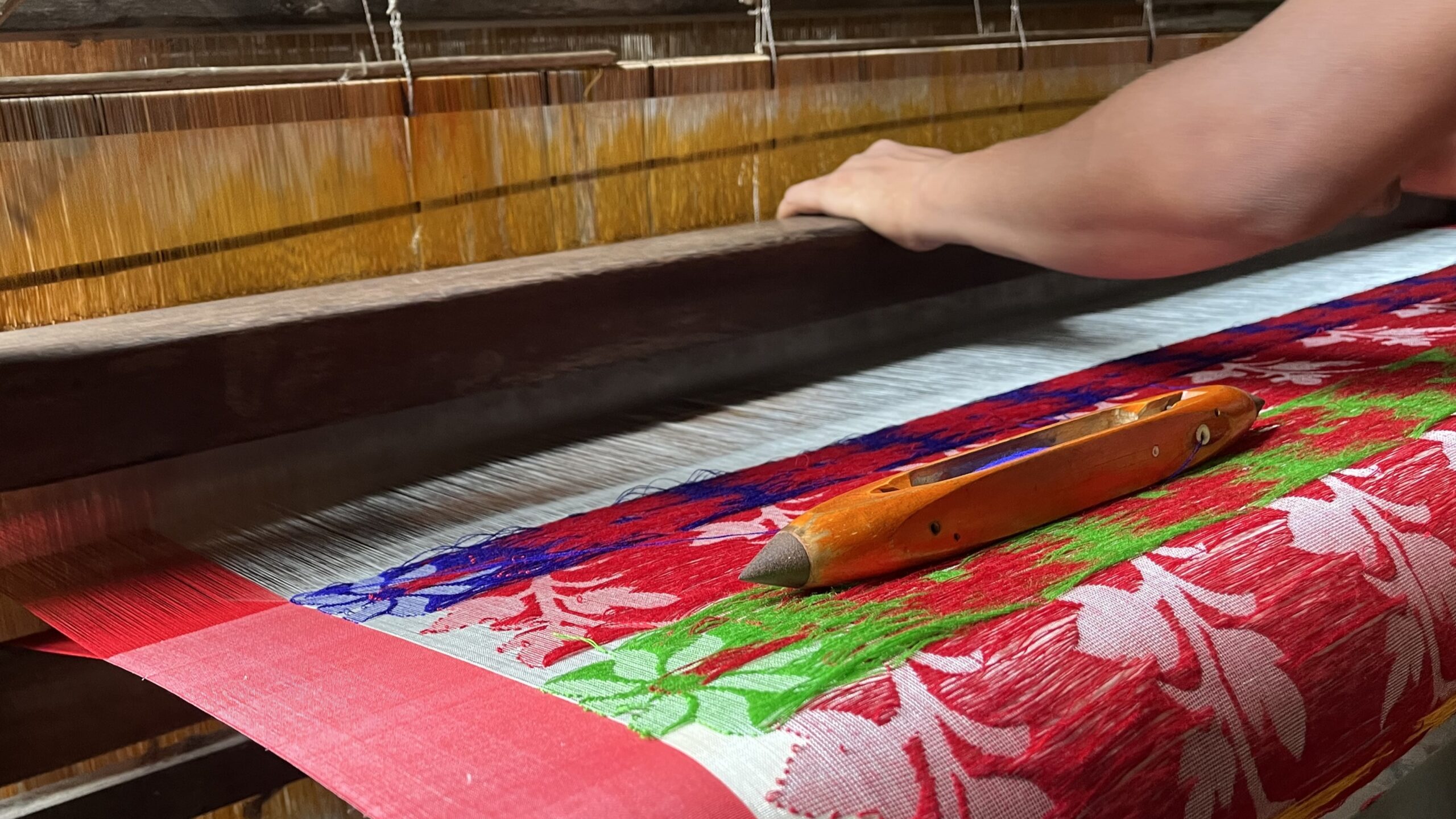
Because handloom does not move at the speed of machines. It moves at the speed of breath. By sunrise, he has begun warping the threads — 4,000 of them, stretched carefully like lines of poetry — each one needing to be placed, counted, tightened, and respected.
His Jamdani saree will take 27 days, if all goes well. There are no shortcuts. And when he finally finishes it… the market may pay him ₹1,200. A brand may sell it for ₹12,000.
This is not because handloom is expensive. It is because the weaver is invisible.
THE TRUE COST BEGINS LONG BEFORE THE FIRST THREAD IS WOVEN
When people ask, “Why is handloom priced higher?” We forget that the making of a saree begins long before weaving. It begins in places customers never see:
- The rising cost of yarn: Cotton that was once affordable now costs more than ever.
- The dyeing process: A dyer stands in the heat, stirring colours he cannot misjudge. One mistake, and the entire batch is wasted.
- Warping and drafting: These are crafts in themselves — arts of precision that machines cannot replicate.
- The physical toll: A weaver’s body bends, his shoulders tense, his fingers repeat motions thousands of times a day. Handloom is slow labour. It is also silent suffering.
- The emotional weight: Every thread carries the weaver’s hope that someone, somewhere, will value this work.
This is the “cost” no invoice can show.
WHEN HANDLOOM IS SOLD CHEAP, SOMEONE ALWAYS PAYS THE PRICE
A beautiful truth: Handloom will never betray you. It is breathable, durable, natural, elegant, and sustainable.
But here is the uncomfortable truth: Handloom artisans have been betrayed for decades.
In many clusters:
- Weavers earn less than 20% of the final product value.
- Middlemen, not makers, decide the price.
- Younger generations refuse to continue the craft.
- Artisans drown in debt because they cannot afford yarn.
- And the art slowly fades… thread by thread.
In one village in West Bengal, an elderly woman spent two months stitching Kantha on a saree. Her payment: ₹400. The online price of a similar piece: ₹28,500.
Her words still echo in the founder’s heart: “I’m happy someone will wear my work.”
A sentence filled with pride… and quiet resignation. She was happy. But she wasn’t paid. This is the real tragedy of handloom in India:
The world loves the craft. But forgets the craftsperson.
THE DIFFERENCE BETWEEN HANDMADE AND MACHINE-MADE IS NOT JUST PRICE. IT IS PURPOSE.
Walk into any marketplace. You will see shimmering sarees labelled “handloom,” priced unbelievably low. But machine-made fabric is quick, predictable, and devoid of stories. It is built for consumption, not connection.
Handloom, on the other hand, is slow.
Slow like sunrise.
Slow like tradition.
Slow like devotion.
Machines can mimic patterns, but they cannot replicate human intention.
A machine does not pause when the weaver’s child calls out.
A machine does not weave through illness, or worry about the next meal.
A machine does not fold dreams into fabric.
Handloom is human. And humanity is never cheap.
A FUTURE WHERE ARTISANS ARE SEEN, HEARD & PAID FAIRLY — AND WHERE YOUR CHOICES SHAPE THEIR TOMORROW
Every handloom piece begins with an artisan — someone who wakes before sunrise, ties the first thread with hope, and weaves not just fabric but heritage.
At HAAT INDIA, we honour that journey by sourcing directly from these artisans, ensuring they are seen, valued, and paid fairly. No middlemen. No inflated markups. Only honest craftsmanship.
When you explore our collections, you’re not just browsing sarees or décor. You’re discovering stories woven with patience, motifs passed down generations, and art that holds the warmth of human hands.
And every time you choose a handmade piece, you help an artisan continue their craft… and keep India’s cultural heartbeat alive.
Because your choice doesn’t just bring beauty home. It shapes the future of those who create it.
Related Products
-

Bolpur – Black Warli Art Pure Bangalore Silk Kantha Saree
₹ 15,490 -
Bolpur – Blue Floral and Vine Motif Khesh Cotton Kantha Saree
Original price was: ₹ 4,600.₹ 3,680Current price is: ₹ 3,680. -
Bolpur – Blush Pink Floral Silk Nakshi Kantha Saree
Original price was: ₹ 8,990.₹ 8,541Current price is: ₹ 8,541. -

Bolpur – Exclusive Muted Blue with Orange Blended Silk Kantha Saree
₹ 8,990